
4PL - the smarter way to run your supply chain
Gartner®: 3PL & 4PL:
How to Combine for the Best Logistics Outsourcing Model
Access this Gartner research to support your next logistics outsourcing decision.
Third‑party logistics (3PL) and fourth‑party logistics (4PL) are often confused. Each offers distinct ways to outsource services and understanding the differences and the value they provide is key to effectively using and optimising these models.
Download The Gartner Report
What the research covers
We believe the latest Gartner® research explains why more organisations are choosing to layer a 4PL above their 3PL network, rather than trying to manage this themselves. Execution stays with your carriers. Visibility, coordination and control move to one accountable partner. In our opinion, this report sets out the thinking behind making that shift.of organisations anticipate their logistics outsourcing budgets to increase over the next two years, according to Gartner
of organisations plan to consolidate fewer logistics service providers over the next two years, according to Gartner
CCL receives honourable mention in the 2025 Gartner® Magic QuadrantTM for Fourth-Party Logistics.
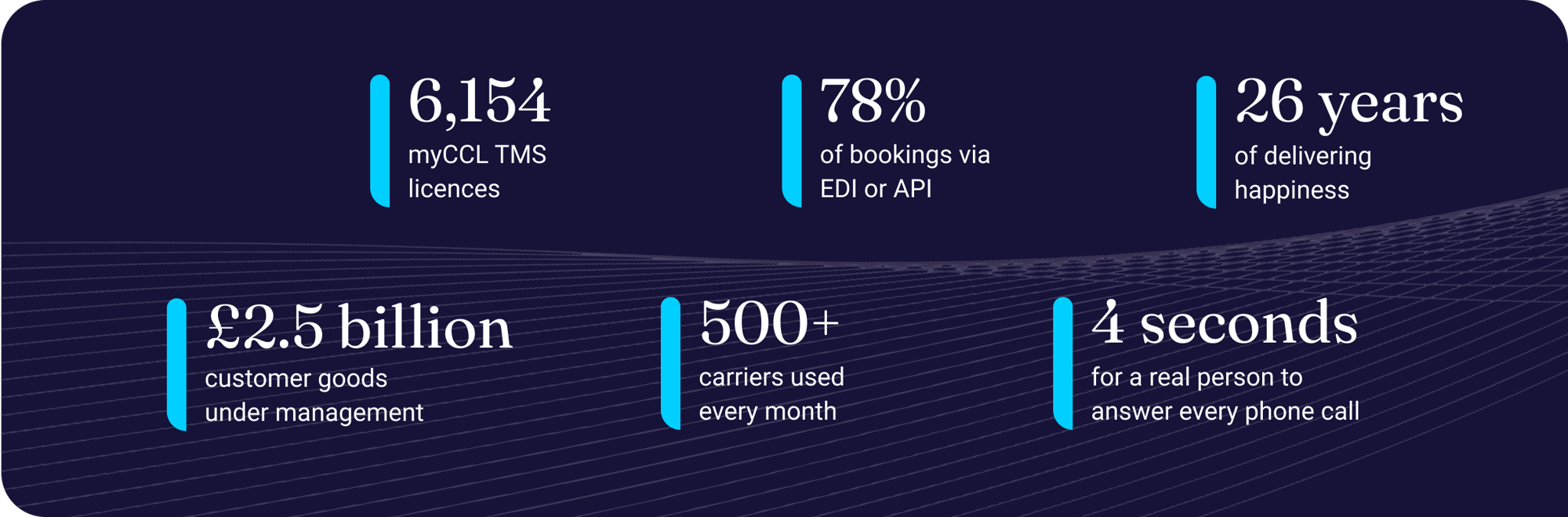
CCL in numbers
Who we Serve
















3PL vs 4PL: frequently asked questions
A third-party logistics provider (3PL) carries out physical logistics tasks such as transport, warehousing and fulfilment. A fourth-party logistics provider (4PL) sits above those providers and manages the whole logistics network on your behalf. It coordinates multiple carriers and 3PLs, provides a single view of your supply chain through technology, and takes responsibility for performance, cost control and continuous improvement. In short, a 3PL executes and a 4PL orchestrates.
Yes, and for many businesses this is the most effective model. Your 3PLs and carriers continue to handle day-to-day execution, while a 4PL layers on top to coordinate them, consolidate data and manage performance. You keep the carrier relationships and capacity that work for you, but gain one accountable partner for visibility, governance and optimisation across your whole network.
A 4PL is worth considering when logistics has become hard to control. This usually happens because you're working with several carriers or 3PLs, you lack clear visibility of shipments and spend, or managing providers is taking up too much internal time. Fast-growing businesses often move to a 4PL to scale without adding headcount. Enterprises often move to one to unify fragmented, multi-region supply chains.
A carrier-agnostic 4PL isn't tied to its own fleet or warehouses, so it can recommend the best provider for each shipment, lane or mode based on cost, service and sustainability. This gives you more choice and resilience, plus the buying power of the 4PL's combined logistics spend. You get one relationship, one invoice and one technology platform rather than managing many separately.
Technology is what allows a 4PL to manage a multi-provider network effectively. A transport management system (TMS) like myCCL brings bookings, tracking, carrier performance, costs and carbon data into one place, often integrated with your ERP. This gives you real-time visibility of your supply chain and the data needed to make better decisions on cost, service and sustainability.
Gartner does not endorse any vendor, product or service depicted in its research publications and does not advise technology users to select only those vendors with the highest ratings or other designation. Gartner research publications consist of the opinions of Gartner’s research organization and should not be construed as statements of fact. Gartner disclaims all warranties, expressed or implied, with respect to this research, including any warranties of merchantability or fitness for a particular purpose.
GARTNER® is a registered trademark and service mark of Gartner, Inc. and/or its affiliates in the U.S. and internationally and is used herein with permission.
All rights reserved. Gartner, Inc. Market Guide for Fourth-Party Logistics (4PL). Matthew Beckett, David Gonzalez. 20 November 2024.